
Pinterest's Trend Predictions: Did They Come True?
Last December, Pinterest told us that 2026 would belong to cabbage, circus interiors, alien makeup, and beauty that looked a little bit wrong on purpose.
I took this seriously.
Not seriously enough to purchase a harlequin rug or begin fermenting things, but seriously enough to write an entire piece about what Pinterest Predicts 2026 might tell us about content strategy.
Pinterest has historically claimed an 88 percent success rate for its annual trend report, and its advantage has always made sense to me. People use Pinterest to plan lives they haven't lived yet. They save the haircut before making the appointment, the kitchen before ordering the tile, the wedding before anyone has panic-cried over a seating chart.
Pinterest gets to watch desire forming.
I picked four predictions—FunHaus, Glitchy Glam, Extra Celestial, and Cabbage Crush—and looked for the appetite underneath them. FunHaus suggested exhaustion with sameness. Glitchy Glam caught perfection beginning to lose its appeal. Extra Celestial pointed toward deeper story worlds. And Cabbage Crush, humble little brassica that it is, suggested a growing appetite for usefulness after years of aspiration.
Ten months later, we have evidence.
Did Pinterest Predicts 2026 come true?
Several of its stranger predictions found their way into the year.
Brooches returned. Lace returned. Gothic romance continued skulking around fashion. Imperfect beauty appeared in trend coverage. Maximalism spread through interiors and design. FunHaus became recognizable enough that design publications spent the year explaining how to bring circus-inspired interiors into your home.
And cabbage became an It Vegetable.
The aesthetics were showing up. I wanted to know whether the appetites underneath them were, too.
FunHaus and the exhaustion of looking at the same thing
FunHaus was one of the easiest predictions to laugh at. The aesthetic borrowed from circuses and carnivals: stripes, primary colors, sculptural objects, playful furniture, harlequin patterns, and rooms with enough visual stimulation to make a sad beige baby file for emancipation.
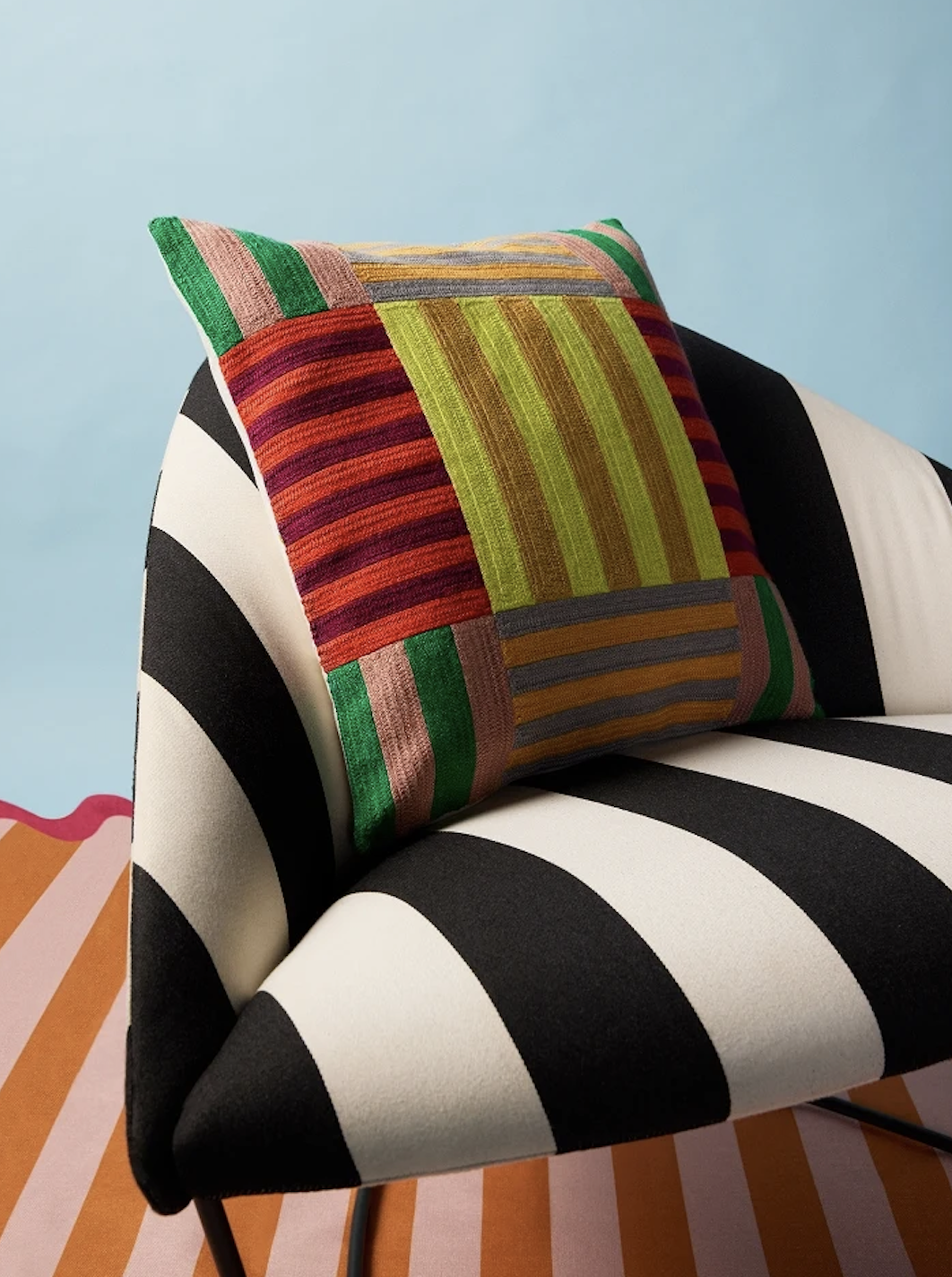
The larger signal was exhaustion with aesthetic convergence.
Muted branding, sans serif fonts, minimalist interiors, social templates, and the same handful of words had begun collapsing into one long scroll. Digital culture made it easy to see what everyone else was doing, while optimization gave us plenty of reasons to imitate whatever appeared to be working.
Welcome to the originality depression era: more content, more references, more tools, and somehow fewer ideas that feel like they belong to anyone in particular.
D&AD saw a response to that sameness in the work submitted to its 2026 awards. Jurors identified a rise in loud, expressive, maximalist brand identities from around the world and described them as a counterpoint to conformity in design. Sprout Social found that only 56 percent of social users thought brands were doing a good job producing truly original content.
Spend long enough staring at rooms drained of color and feeds drained of personality, and welp, a striped ceiling begins to make emotional sense.
Difference is easy to manufacture. Change the colors. Use the strange font. Tell the social media manager to be "unhinged." Distinctiveness requires judgment: somebody deciding what belongs, rather than accepting whatever a template, competitor, trend report, or machine supplies.
The circus gave us somewhere to put all that pent-up taste.
Glitchy Glam arrived just as perfection became cheap
Glitchy Glam was Pinterest's case for beauty with a deliberate error in it: mismatched manicures, asymmetrical hair, unconventional makeup, clashing colors. By early 2026, pristine clean-girl beauty was giving way to messier, more eccentric choices.
We'd aesthetic'd ourselves into a corner.
Generative AI made that polish easier to mass-produce.
For years, digital content moved toward cleaner execution. Pauses disappeared from video. Photographs got smoother. Headlines were optimized. Copy lost its odd edges. Executives were made to sound like professional versions of themselves, which often meant professional versions of everybody else.
Canva and Harris Poll surveyed 3,547 consumers this year, and 70 percent said they could usually spot AI-generated advertising because something felt missing. Seventy-eight percent said they would rather see advertising made by people even if AI could produce a better version, while 87 percent said the best advertising still requires a human touch.
Gartner found a similar frustration. Sixty-five percent of consumers said brands were producing too much AI-generated content, and 57 percent said it had made them less trusting of brand messaging.
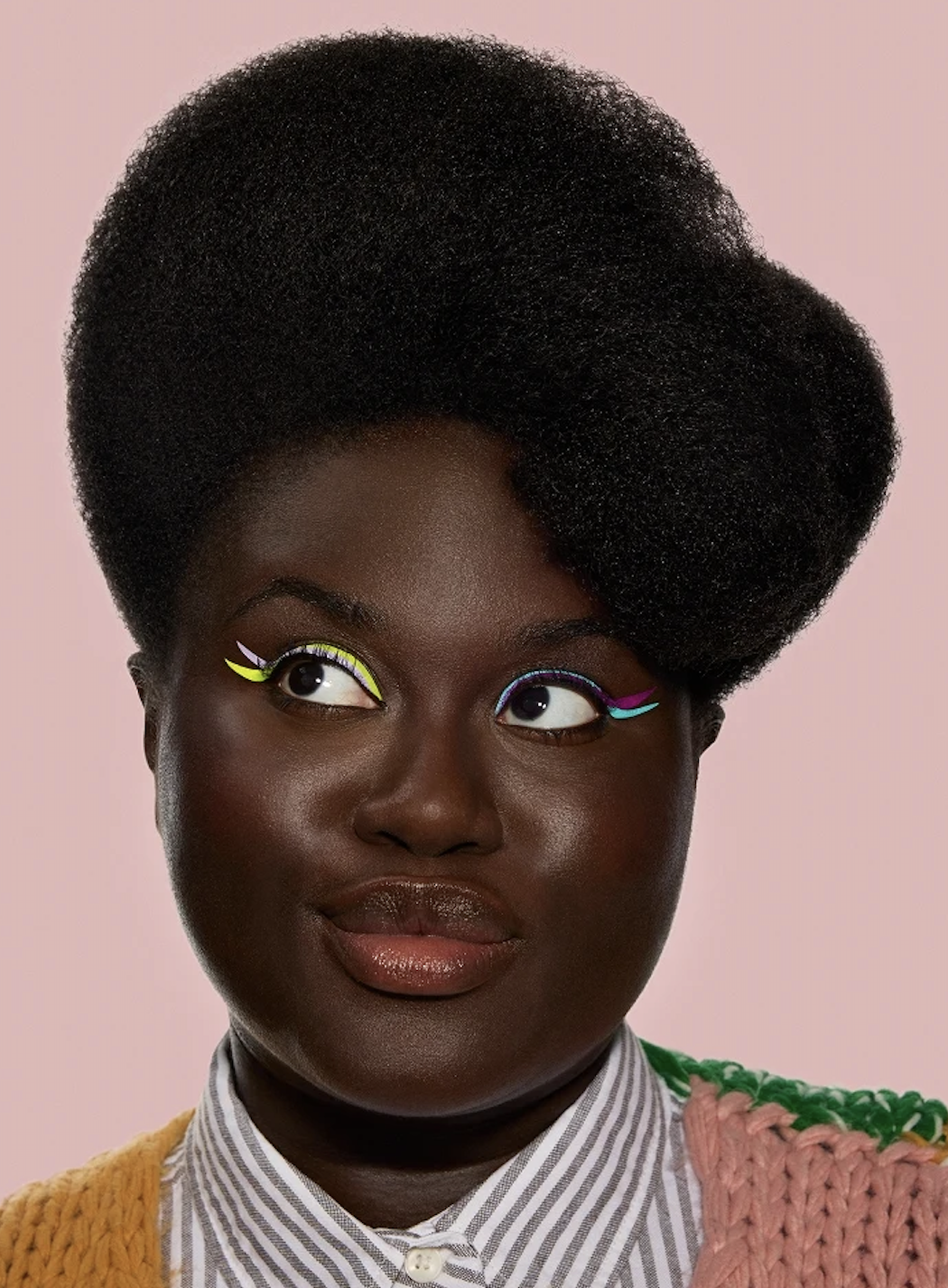
Nobody developed an affection for bad writing or blurry photos. But the signals we once associated with quality have become easier to manufacture. A clean image can be generated in seconds. A grammatically perfect paragraph can say absolutely nothing. An executive can publish five posts a week without writing, speaking, or supplying the ideas for any of them.
We've reached the content equivalent of the Netflix homepage: technically, there is an extraordinary amount here, and somehow I still can't find anything I want.
That makes other things easier to notice: the oddly precise detail, the reference someone else wouldn't have made, the sentence with a recognizable cadence, the opinion that couldn't plausibly belong to 400 other people with the same job title.
Pinterest caught people deliberately disrupting perfection as technology was making perfection easier to produce.
The crooked eyeliner had excellent timing.
Extra Celestial was really about giving people somewhere to go
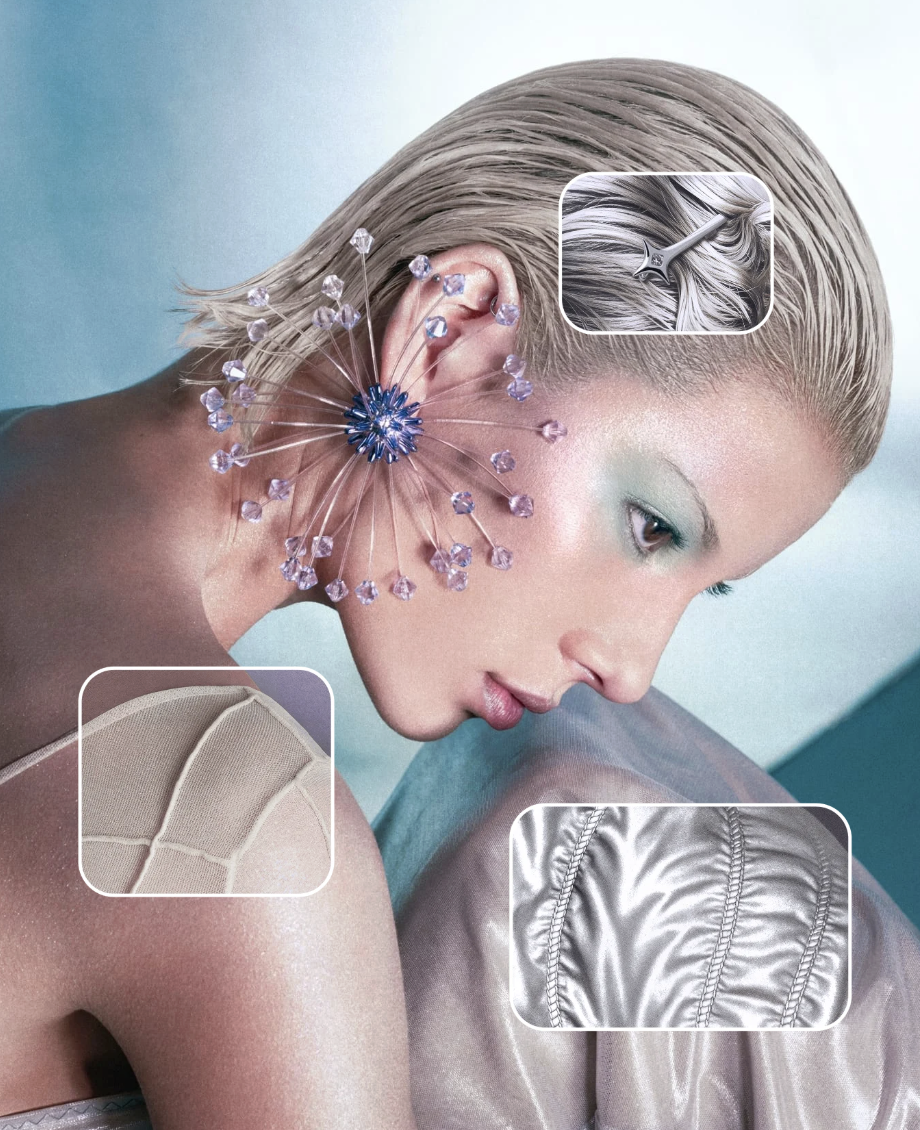
Extra Celestial had the best name and the most ridiculous collection of evidence: alien-inspired makeup, holographic furniture, futuristic fashion, cosmic interiors.
Pinterest saw people looking toward outer space. I saw people looking for worlds.
I wrote that the trend suggested a move toward deeper, connected storytelling: "Less 'here's a post,' more 'step into this.'"
By summer, Adweek was describing a "world-building era," with brands connecting creators, fans, physical experiences, products, and social content across larger stories.
Audiences already behave this way. Deloitte's 2026 Digital Media Trends research found that 55 percent of fans engage with their fandoms across multiple platforms. Among Gen Z and millennials, that rises to roughly 70 percent.
A television show doesn't end when the credits roll. It continues through TikTok edits, Reddit theories, podcasts, memes, group chats, merchandise, interviews, fan fiction, and a 46-minute YouTube video explaining why everyone else misunderstood episode seven.
I've done a version of this with my own website, which has a watery universe, floating bubbles, collages, cursor stars, and enough internal visual logic that at some point I had to accept I had not designed a website so much as given myself a small country to govern.
Much of brand content still behaves as though every piece begins with amnesia. Monday needs a post. Thursday needs an email. The blog needs a keyword. The executive needs something for LinkedIn. Each piece can be competent while leaving almost no memory behind.
World-building gives those individual pieces somewhere to belong. Ideas recur. References become recognizable. A phrase accumulates associations. The audience learns the language well enough to start playing with it.
The best stories don't keep asking you to meet them for the first time.
Against all odds, the cabbage also happened
Pinterest entered 2026 with a bold proposition: this would be cabbage's year.
By March, The New York Times was calling cabbage an "It Vegetable." Restaurants were charring it, stuffing it, fermenting it, slicing it into steaks, and generally treating it with considerably more dignity than the coleslaw sweating beside your pulled pork.
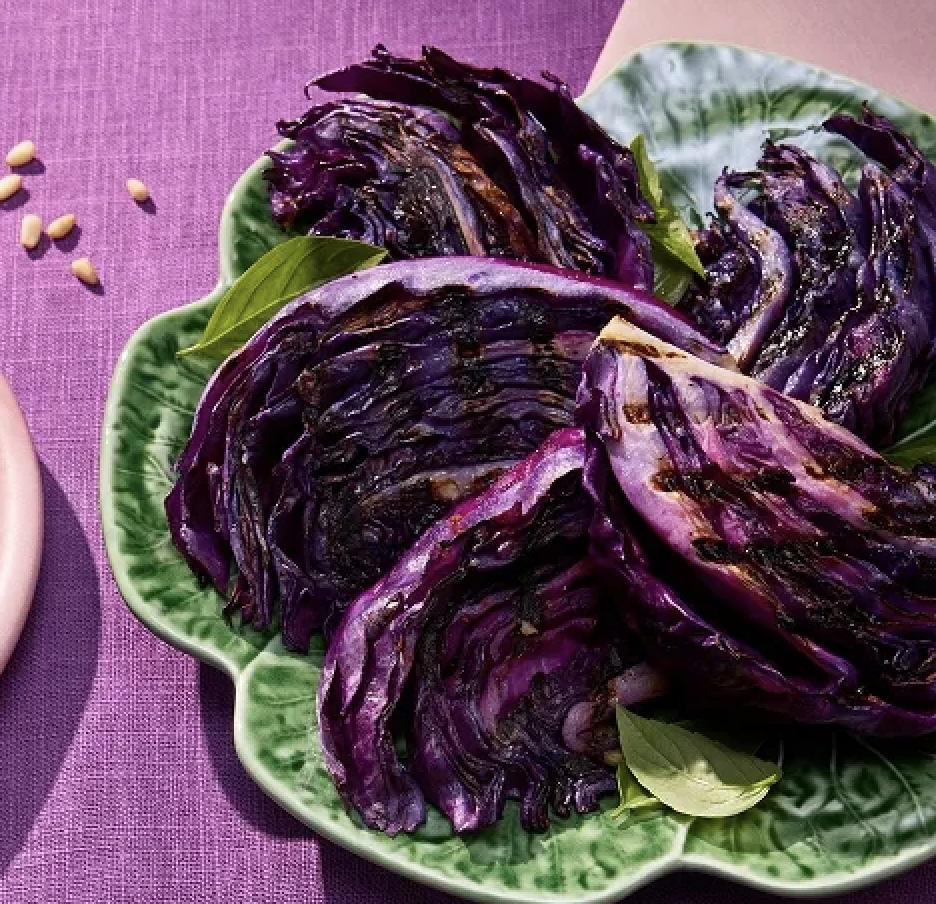
What interested me about Cabbage Crush was the vegetable itself. Cabbage is cheap, sturdy, familiar, flexible, and useful. I connected its rise to an exhaustion with "aspiration without application": the appeal of things that have a job beyond looking good.
That appetite is visible in content, too.
Sprout Social's Q1 2026 research found that educational posts about products and services were the type of brand content consumers wanted most, selected by 40 percent of respondents. Community-focused content came next at 27 percent. In the same research, unlabeled AI-generated content topped the list of things people wanted brands to stop posting.
We're surrounded by information while spending more time sorting through it. Search for advice and find 90 articles built from the same three sources. Open social media and find someone summarizing a podcast, someone else summarizing the summary, and a carousel containing seven lessons from a book nobody involved appears to have read.
Useful content earns its space. A recipe gets dinner on the table. A product explanation answers the question someone came with. Expertise saves someone time because the person sharing it already spent years learning what they know.
Cabbage had a very good year.
So did having a reason to exist.
So what were these trends picking up?
At the end of my original piece, I wrote that 2025 had been about "volume, velocity, and visibility," while 2026 felt as though it might be about "voice, meaning, and trust."
I'd add one word now: taste.
I thought people were exhausted by sameness. They were. What I underestimated was how much more of it we were about to get.
Canva found that 97 percent of marketing leaders surveyed were using AI in their daily creative work. An industry that spent years engineering ways to produce more can now generate, scale, edit, summarize, repurpose, and optimize more content than its audiences could reasonably consume.
We have been so worried about keeping the machine full. One webinar became a blog, six social posts, three emails, a video, a carousel, and whatever else could be shaken from its pockets. Every platform created another rectangle requiring something to put inside it.
We can fill the rectangles now. All of them.
The harder work happens before production: deciding which idea deserves attention, which detail matters, which story can sustain another chapter, which information earns someone's time, and which perfectly competent thing doesn't need to exist.
Trends rarely arrive with an explanation attached. Nobody searches Pinterest for "evidence that cultural value is shifting from production to judgment." They search for circus interiors. They save imperfect eyeliner. They become fascinated by aliens. They develop an improbable enthusiasm for cabbage.
Behavior gets there before the language does.
One day, the aesthetics will pass. FunHaus will look dated. Glitchy Glam will become somebody's "remember 2026?" carousel. Cabbage will relinquish its crown, presumably with dignity.
Other aesthetics will take their place. They always do. But underneath whatever comes next will be the thing that made these trends matter in the first place: taste. The instinct to recognize what feels right for the moment before the rest of us have figured out why.
If your brand could use someone with good taste and a slightly alarming ability to spot a pattern, we should probably talk. I help brands and executives turn cultural signals, sharp ideas, and actual expertise into content people want to read. Tell me what you’re working on.